








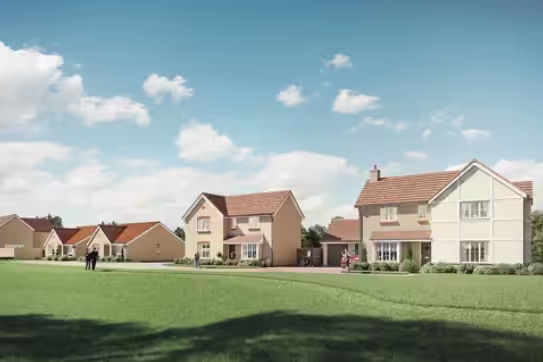
A newly built home can appear complete and well-finished, but its visible appearance does not always reveal the quality of the construction behind it. Buyers need to consider more than flooring, cabinetry, fixtures, and layout when assessing a property. Materials, workmanship, drainage, insulation, windows, HVAC, plumbing, and electrical systems can all influence how the home performs over time.
When evaluating new development homes, it is important to look at the builder’s previous projects, written specifications, standard features, upgrade costs, warranty terms, and the condition of the surrounding development. An independent inspection can also help identify issues that may not be obvious during a regular viewing. Comparing these factors systematically gives buyers a clearer basis for judging construction quality, expected maintenance, and the overall suitability of a property before making a purchase decision.
What Should You Check to Assess Construction Quality?
Construction quality should be assessed across the property’s structure, exterior, interior workmanship, and major building systems. Buyers should pay close attention to drainage, roofing, windows, insulation, HVAC, plumbing, and electrical components because these areas can affect durability, comfort, maintenance, and future repair costs.
The first step is to avoid judging a property entirely by its appearance. A home can have attractive flooring, modern cabinetry, and high-end fixtures while still requiring closer examination of less visible components.
For new development homes, exterior conditions should be reviewed carefully because the building envelope protects the property from moisture and weather.
Examine the Exterior and Lot
Check the following areas:
- Foundation and visible exterior walls
- Grading around the property
- Drainage patterns
- Roofing
- Exterior cladding
- Windows and doors
- Flashing around openings
- Driveway and walkways
- Lot slope
- Relationship with neighbouring properties
Drainage deserves particular attention. Water should move away from the foundation rather than collect beside it. Poor grading can become a maintenance concern even when there are no obvious problems during the initial viewing.
The home’s position within the development also matters. A property located near an intersection, access road, construction area, or open lot may have different exposure to traffic, noise, sunlight, and future development.
Review Interior Workmanship
Inside the home, buyers should look for consistency rather than expecting every surface to be perfect.
Pay attention to:
- Uneven flooring
- Gaps around trim
- Misaligned doors
- Cabinet alignment
- Drywall finishing
- Visible cracks
- Window operation
- Plumbing fixtures
- Electrical outlets
- Staircases and railings
Minor cosmetic imperfections do not necessarily indicate poor construction. More significant concerns are repeated defects, poor installation, water-related signs, or problems affecting how a component functions.
Major systems should also receive attention. HVAC equipment, ventilation, plumbing, electrical panels, insulation, and windows can have a greater effect on comfort and operating costs than decorative features.
How Should You Compare Builders, Specifications, and Costs?
A useful comparison should consider the builder’s previous projects, written specifications, standard inclusions, upgrade prices, warranty practices, and total ownership expenses. Two properties with similar asking prices can have substantially different costs and specifications once these factors are examined together.
For new development homes, researching the company responsible for construction is an important part of due diligence. A builder’s reputation should not be judged from one testimonial, advertisement, or model home.
Review:
- Completed residential projects
- Experience with similar developments
- Construction history
- Project completion record
- Warranty procedures
- Deficiency management
- Buyer communication
- Post-closing service
- Available project documentation
Where possible, visit completed communities built by the same company. Look at the condition of exterior finishes, landscaping, roads, common areas, and surrounding properties. These observations should be combined with reliable documentation rather than treated as conclusive evidence on their own.
Compare Specifications Carefully
Model homes can create confusion because some visible features may be upgrades rather than standard inclusions. Buyers should request detailed written specifications and determine exactly what the purchase price includes.
Compare:
- Flooring materials
- Cabinet construction
- Countertops
- Windows
- Doors
- Roofing materials
- HVAC equipment
- Plumbing fixtures
- Appliances
- Insulation
- Exterior finishes
If a particular material or appliance is important to the buyer, it should be clearly identified in the relevant documentation. Verbal statements should not be treated as a substitute for written terms.
Consider the Complete Financial Picture
The purchase price is only one part of the financial commitment. Buyers should consider expenses that may arise before closing and throughout ownership.
| Cost Area | What to Check |
| Purchase price | Base price and standard inclusions |
| Deposits | Amount, timing, and payment schedule |
| Upgrades | Optional features and final prices |
| Appliances | Included models and specifications |
| Parking | Included or separately priced |
| Storage | Availability and additional charges |
| Landscaping | Completed work and homeowner obligations |
| Closing costs | Applicable adjustments and charges |
| Property taxes | Expected annual obligation |
| Insurance | Required coverage |
| Utilities | Metering and ongoing billing |
| Maintenance | Expected recurring expenses |
A five- to ten-year ownership estimate can provide a more useful comparison than the initial price alone. Buyers can consider mortgage expenses, taxes, insurance, utilities, maintenance, and likely improvements.
The purpose is not to predict every future cost. It is to identify expenses that could materially affect affordability.
What Details Can Buyers Easily Overlook?
Buyers often concentrate on floor plans, finishes, and purchase prices while paying less attention to lot conditions, future development, noise, infrastructure, maintenance, and warranty responsibilities. These less visible factors can have a meaningful effect on daily living and long-term ownership.
The position of the property within the community deserves careful consideration. Two homes built in the same development can have different conditions depending on their location.
For new development homes, buyers should consider:
- Lot orientation
- Sun exposure
- Privacy
- Nearby roads
- Traffic levels
- Noise
- Adjacent properties
- Parking
- Future construction
- Access to parks and services
Future development should also be researched. Vacant land near a property could eventually be used for additional housing, roads, commercial space, schools, parks, or other infrastructure. Buyers should distinguish between confirmed plans, approved applications, and possibilities that have not yet been established.
Maintenance is another factor that can be underestimated. A newly built property is not maintenance-free. Homeowners may still need to manage HVAC servicing, filters, landscaping, drainage, exterior upkeep, appliances, and seasonal maintenance.
How Can an Independent Inspection Help?
An independent inspection can provide an objective assessment of visible construction and installation conditions. For a newly built property, an inspector may identify concerns involving drainage, roofing, windows, HVAC, plumbing, electrical systems, workmanship, or incomplete items that buyers may not notice themselves.
For new development homes, an inspection can provide another layer of due diligence before closing.
Potential inspection areas include:
- Visible structural concerns
- Drainage and grading
- Roofing
- Window installation
- Plumbing
- Electrical systems
- HVAC operation
- Ventilation
- Interior workmanship
- Incomplete construction
An inspection does not replace legal or contractual review. Buyers should still examine the purchase agreement, specifications, warranty information, and other relevant documents.
It is also useful to maintain a clear record of any issues identified. Buyers should keep copies of inspection reports, photographs, deficiency lists, correspondence, repair records, and warranty documents.
This documentation can make it easier to track outstanding matters and confirm what was reported or addressed.
What Is a Practical Way to Evaluate a New Home?
A consistent evaluation process allows buyers to compare properties using evidence instead of first impressions. Start with the builder and development, then assess the lot, construction, specifications, total costs, inspection findings, warranty terms, and long-term suitability before making a final decision.
For new development homes, a practical assessment can follow these steps:
- Research the builder’s completed projects.
- Review the development and surrounding area.
- Examine the property’s position within the community.
- Check the floor plan for practical functionality.
- Obtain detailed written specifications.
- Separate standard features from upgrades.
- Review major building systems.
- Calculate the complete purchase cost.
- Estimate ongoing ownership expenses.
- Arrange an independent inspection where appropriate.
- Record deficiencies and incomplete work.
- Review warranty coverage and responsibilities.
- Compare the property with similar alternatives.
- Have important contractual documents reviewed by a qualified professional.
A simple scoring system can also make comparisons easier. Buyers can rate properties from one to five for construction quality, builder history, location, specifications, total cost, energy efficiency, maintenance, warranty coverage, and long-term suitability.
Conclusion
Evaluating a newly built property requires more than reviewing its finishes, floor plan, and asking price. Buyers should research the builder, verify specifications, examine construction systems, calculate total ownership costs, assess the lot and surrounding area, and understand warranty responsibilities.
For buyers considering new development homes, an evidence-based approach can reduce uncertainty before a purchase becomes binding. Written documentation, independent inspections, builder research, contract review, and realistic cost calculations can all contribute to a more informed decision. Before signing, buyers should verify important claims, compare suitable alternatives, and seek qualified professional advice when legal, technical, or contractual questions require specialist knowledge.
FAQs
What should I inspect when buying a newly built home?
Check the foundation, grading, drainage, roofing, windows, doors, HVAC, plumbing, electrical systems, insulation, finishes, and general workmanship. An independent inspection can provide another assessment and document concerns that may not be obvious during a standard property viewing.
How can I evaluate a new home builder?
Research completed developments, relevant experience, construction history, warranty practices, communication, and post-closing service. Visiting previous communities can provide useful context. Compare information from multiple reliable sources rather than relying entirely on advertisements, testimonials, or online reviews.
Are new homes always better quality?
No. A newer property may have updated systems and modern materials, but construction quality depends on workmanship, specifications, installation, materials, site conditions, and maintenance. Buyers should evaluate the individual property instead of assuming that newer automatically means better.
What additional costs should buyers consider?
Buyers should account for upgrades, appliances, landscaping, parking, storage, closing expenses, property taxes, insurance, utilities, financing, and maintenance. The applicable costs vary by property and agreement, so important financial details should be confirmed in writing before making a commitment.
Should I compare several properties before buying?
Yes. Comparing several properties using consistent criteria can reveal differences in construction, specifications, location, builder history, total cost, energy efficiency, maintenance, and warranty provisions. A structured comparison is generally more useful than relying on the impression created by one model home.