





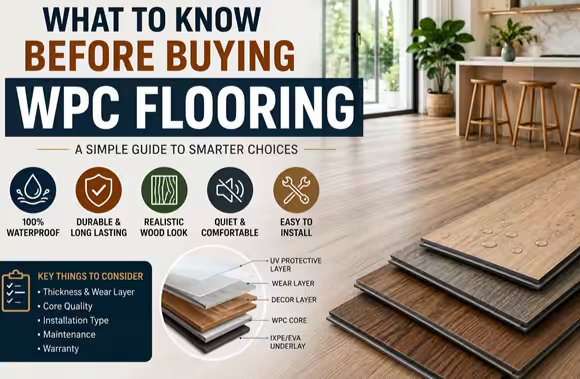
Buying new floors sounds simple at first. You pick a color, check the price, and imagine how it will look in your home. Then reality hits. There are different materials, thickness levels, waterproof claims, warranties, and price ranges. Suddenly, the choice feels less simple.That is why wpc vinyl flooring has become such a strong option for people who want comfort, style, and water resistance in one product. It looks like real wood, feels softer underfoot than some hard floors, and works well in busy spaces.
Still, not every WPC floor is the same. Some products last longer. Some handle daily wear better. Others may look nice in the showroom but disappoint after a few months. So, before you spend money, it helps to understand what really matters.This guide will walk you through the key things to check before buying WPC flooring. You will learn how it performs, where it works best, what mistakes to avoid, and how to shop smarter.
Why More Buyers Are Paying Attention to WPC Flooring
WPC flooring stands for wood plastic composite flooring. It is a type of vinyl flooring with a rigid core. That core makes the floor stronger, more stable, and more comfortable than basic sheet vinyl or thin vinyl planks.The main reason people like WPC is simple. It gives the warm look of wood without the same level of worry. Real hardwood can react badly to moisture. However, WPC handles spills, humidity, and daily messes much better.
This makes it useful in kitchens, living rooms, laundry areas, basements, and homes with pets. A dropped water bowl or muddy shoes may still need cleaning, of course. But with water-resistant vinyl flooring, small everyday accidents are easier to manage.
Don’t Buy Until You Understand the Core Structure
A floor may look beautiful on display, but the inside matters just as much. The structure of WPC flooring affects how it feels, how long it lasts, and how well it handles daily use.
The Wear Layer
The wear layer is the top protective coating. It helps protect the design from scratches, scuffs, and stains. A thicker wear layer usually means better durability.For a quiet guest room, a lighter wear layer may be fine. For a busy family room, hallway, or kitchen, you should look for something stronger. Kids, pets, chairs, and shoes can wear down weak flooring faster than expected.
The Waterproof Core
The rigid core is the heart of WPC flooring. It helps the planks stay firm and stable. Because of this core, WPC vinyl planks often feel more solid than cheaper vinyl products.This core also helps reduce minor subfloor imperfections. Still, it does not fix major floor problems. If the subfloor is uneven, damaged, or damp, those issues should be handled first.
The Attached Underlayment
Some WPC products come with attached padding. This can make the floor feel softer and quieter. It may also reduce sound in upstairs rooms or apartments. However, not every attached pad is equal. Ask what material is used and whether extra underlayment is allowed. Adding the wrong padding can affect locking systems or warranties.
Questions to Ask Before Spending Money
A smart flooring choice starts with your lifestyle. The right floor for one home may not be right for another. So, before buying, think about how your rooms are used every day.
How Busy Is Your Home?
A quiet home with two adults has different flooring needs than a house with kids, pets, and regular guests. If your floors deal with heavy foot traffic, choose stronger WPC flooring options with a thicker wear layer.Think about your busiest areas. Entryways, kitchens, and living rooms usually need more protection. Bedrooms may not need the same level of strength.
Will It Go in a Moisture-Prone Area?
WPC is often chosen for rooms where moisture is a concern. Kitchens, basements, laundry rooms, and bathrooms can all benefit from flooring that handles spills better than wood.Still, waterproof does not mean damage-proof. Standing water should not sit for hours. Clean spills quickly, especially near seams and edges.
How Much Maintenance Do You Want?
Some floors need polishing, sealing, or special cleaners. WPC is easier. Regular sweeping and light mopping are usually enough.That said, avoid harsh chemicals and soaking wet mops. Simple care keeps the surface looking better for longer.
Common Mistakes That Lead to Flooring Regret
Here’s where buyers often get stuck. They compare colors first and quality second. That can lead to disappointment.
A floor may look perfect under showroom lights. But after a few months at home, weak materials can show scratches, dents, or dull areas. That is why appearance should never be the only deciding factor. Another mistake is choosing the cheapest product available. Saving money feels nice at first. However, low-quality flooring may need replacement sooner. In the long run, that can cost more.
Some buyers also forget about room conditions. A basement may need more moisture protection. A sunny room may need better fade resistance. A kitchen may need stronger surface protection.
Comparing WPC Flooring With Other Popular Options
A quick comparison can make your decision much easier. WPC is not the only choice, but it fits certain needs very well.
WPC vs Laminate
Laminate often looks attractive and may cost less. However, many laminate products do not handle moisture as well as WPC. In kitchens or basements, that difference matters.If water resistance is a top concern, rigid core vinyl flooring usually makes more sense than standard laminate.
WPC vs Traditional Vinyl
Traditional vinyl can be affordable and easy to clean. But thin vinyl may feel less solid underfoot. It may also show subfloor flaws more clearly.WPC offers more comfort and structure. That is why it works well for people who want a more premium feel without moving into hardwood pricing.
WPC vs Hardwood
Hardwood has a natural beauty that many people love. However, it needs more care and can be sensitive to water, scratches, and dents.WPC gives a wood-look design with easier maintenance. It is not real wood, but it is often more practical for active homes.
Smart Shopping Tips Before Visiting a Flooring Store
Walking into a flooring store without a plan can feel confusing. There may be rows of samples, different prices, and sales terms that sound similar. A little preparation helps a lot.Start by measuring your rooms. Bring rough measurements with you, even if a professional will confirm them later. This helps you compare estimated costs more clearly.Next, ask for samples. Take them home and look at them in your own lighting. A plank that looks warm in a store may look darker or cooler in your room.
Also, ask about warranty details. Do not only ask how long the warranty lasts. Ask what it actually covers. Scratches, water damage, fading, and installation problems may have different rules.Finally, compare quality, not just price. A reliable local flooring shop can help explain the difference between budget products and stronger long-term options.
How to Make the Right Final Decision
The right floor should match your home, not just your taste. Color matters, but daily use matters more. A busy kitchen needs a floor that can handle spills, chairs, shoes, and cleaning.Think about comfort too. If you stand a lot while cooking, WPC may feel better than harder surfaces. If you have pets, look for strong scratch resistance. If you have children, easy cleanup can save daily stress.Also, look at the full cost. Product price is only one part. Underlayment, trims, transitions, waste material, and installation can change the final number. Ask for a clear estimate before saying yes.
A good choice usually feels balanced. It fits your budget, matches your style, handles your lifestyle, and comes with a warranty you understand.
Conclusion
WPC flooring can be a practical choice for homes that need style, comfort, and moisture resistance. It gives you the look of wood without the same level of care that real hardwood often needs.Still, buying the right product takes more than picking a nice color. You need to check the wear layer, core quality, thickness, warranty, and room conditions. You should also compare samples in your own home before making the final decision.
If you take time to ask the right questions, WPC flooring can be a smart long-term investment. It can make daily life easier, especially in busy rooms where spills, pets, and foot traffic are part of normal life.