




Ever grabbed a box, looked at your product, and thought, “That should do the job”? We’ve all been there. Sometimes you’re right, and sometimes you end up using far too much filler, or, even worse, the item arrives damaged. The truth is, packing isn’t about finding any box. It’s about finding the right one.
A long golf club, a bundle of important documents, and a fragile photo frame all need different levels of protection. That’s why choosing the right packaging from the start can save you money, reduce waste, and give your customers one less thing to worry about. Let’s look at how matching your packaging to the product makes all the difference.
Why Doesn’t One Packaging Solution Work for Every Product?
Understanding how product shape affects packaging
Think about it for a second. Would you pack a walking stick the same way you’d pack a notebook? Probably not. Every product has its own shape, weight, and weak spots, so it makes sense that each one needs a different approach.
A few things are always worth checking before you pack:
- Is the product long, flat, or bulky?
- Can it move around inside the box?
- Does it need extra cushioning?
- Will the box still protect it after a few knocks during delivery?
Taking a minute to answer these questions now can save you a damaged parcel later.
The risks of using the wrong box size
We’ve all seen it—a tiny product floating around inside a huge box. Apart from looking untidy, it increases the chance of damage.
Common packing mistakes include:
- Choosing a box that’s much bigger than the item
- Using too little protective filling
- Squeezing products into boxes that are too small
- Forgetting that parcels get stacked during transport
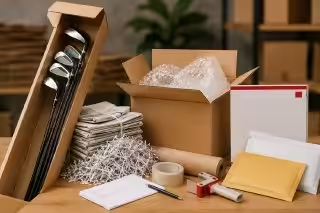
A good example is sporting equipment. Golf club boxes are designed to support long items properly, so they don’t bend or shift while they’re being moved.
Why Should Packaging Match the Product, Not the Shipment?
Instead of reaching for the first box you see, match the packaging to what you’re sending. Flat items, for example, often fit neatly inside Royal Mail large letter boxes, while longer products need something with the right length and strength.
| Product | Packaging Boxes |
| Golf clubs, umbrellas, walking sticks | Golf club boxes |
| Documents, certificates or brochures | Royal Mail Large Letter boxes |
| Fragile gifts | Strong box with protective cushioning |
Getting these small decisions right makes packing quicker, deliveries safer, and customers happier.
How Can You Keep Products Safe During Transit?
Newspaper offcuts for reliable void fill
Have you ever opened a parcel and found the item sliding from one end of the box to the other? That’s exactly what you want to avoid. Even a sturdy box can’t do much if the product is free to move around.
One simple way to solve this is by using newspaper offcuts. They’re great for filling empty spaces, especially when shipping lightweight or non-fragile items.
They can help you:
- Keep products from shifting inside the box
- Add light cushioning without extra bulk
- Make better use of recyclable materials
- Cut down on unnecessary waste
The idea isn’t to cram the box full. You want enough filling to keep everything snug and secure.
Preventing movement inside the box
Before sealing your parcel, give it a gentle shake. If you can hear or feel the product moving, it’s worth making a few quick adjustments.
A few simple habits can make a big difference:
- Wrap fragile items individually.
- Fill any empty gaps
- Place heavier products at the bottom.
- Seal the parcel properly before dispatch
These small checks only take a minute, but they can save you from damaged deliveries and unhappy customers.
What Small Packaging Choices Make the Biggest Difference?
Reducing shipping costs with the right packaging
Packing smarter doesn’t always mean spending more. In fact, using the right-sized box and suitable packaging supplies can help reduce wasted space, lower postage costs, and make parcels easier to handle.
It’s often the little changes that add up over time.
Improving the unboxing experience
We’ve all received parcels that looked like they’d survived a wrestling match. On the other hand, a neatly packed order instantly feels more professional.
Customers notice things like:
- A parcel that’s easy to open
- Products arriving clean and undamaged
- Packaging that isn’t oversized
- A tidy, well-packed presentation
It’s a simple way to leave a good impression before the product is even used.
Creating a more efficient packing process
An organised packing area makes life easier for everyone. Keep your most-used boxes, tape, and protective materials close by, and you’ll spend less time searching for supplies and more time getting orders out the door.
Conclusion
Packing doesn’t have to be complicated. Once you start matching the packaging to the product instead of using the nearest box, everything becomes easier. Whether you’re sending a long item, a flat document, or something fragile, a little planning goes a long way. The right packaging protects your products, keeps shipping costs under control, and helps every order arrive exactly as your customer expects.
FAQs
1. When should I use golf club boxes?
They’re ideal for long items such as golf clubs, umbrellas, walking sticks, tripods, and similar products.
2. What can I send in Royal Mail large letter boxes?
They’re perfect for slim items like documents, brochures, certificates, calendars, and small books.
3. Are newspaper offcuts good for packaging?
Yes. They’re useful for filling empty spaces and helping prevent products from moving during transit.
4. How do I stop products moving inside a box?
Choose the right box size and fill any gaps with suitable protective material before sealing the parcel.
5. Why does choosing the right packaging matter?
It helps reduce damage, avoids unnecessary shipping costs, and gives customers a better delivery experience.