






A basement can serve many purposes, from a family entertainment area and home gym to a guest suite or workspace. However, the success of any basement renovation often depends on one critical element: the flooring. Because basements face unique challenges such as moisture, temperature fluctuations, and heavy foot traffic, selecting the right floor surface requires careful planning.
For many homeowners in New Jersey, upgrading a basement floor is an opportunity to improve both functionality and appearance while increasing property value. Among the most popular modern solutions, epoxy flooring for basement spaces has gained significant attention for its durability, moisture resistance, and attractive finish. Working with experienced epoxy floor contractors can also help ensure long-lasting results that withstand the specific conditions commonly found in basements.
Before beginning your project, it is important to understand the factors that influence flooring performance and make informed decisions that align with your budget, lifestyle, and long-term goals.
Assessing Your Basement Environment
Before choosing any flooring material, it is essential to evaluate the current condition of your basement.
Basements are naturally more susceptible to moisture than other areas of the home. Even if there are no obvious signs of water damage, hidden moisture can affect flooring performance over time. Start by inspecting walls and floors for:
- Water stains
- Cracks in the foundation
- Musty odors
- Mold or mildew growth
- Condensation on walls or windows
Humidity levels should also be monitored. Excess humidity can lead to flooring deterioration, especially with materials that absorb moisture.
Many New Jersey homeowners invest in dehumidifiers and improved ventilation systems before upgrading their basement floors. Addressing these environmental factors first helps prevent costly repairs later and extends the lifespan of the new flooring.
Understanding Basement Flooring Options
Modern homeowners have several flooring choices available for basement spaces. Each option offers unique advantages and considerations.
Concrete Finishes
Existing concrete slabs can be polished, stained, or sealed to create a clean and industrial-style appearance. While cost-effective, concrete alone may feel cold underfoot.
Vinyl Flooring
Luxury vinyl planks and tiles have become popular because they offer water resistance, durability, and a wide range of styles that mimic wood or stone.
Engineered Hardwood
Unlike traditional hardwood, engineered wood handles moisture fluctuations more effectively. However, it still requires careful moisture management.
Carpet
Carpet adds warmth and comfort but may not be ideal for basements with moisture concerns.
Tile Flooring
Porcelain and ceramic tiles provide excellent water resistance and durability. They are particularly useful in basements prone to dampness.
Epoxy Coatings
One increasingly popular option is epoxy flooring for basement renovations. Epoxy creates a seamless surface that resists moisture, stains, and wear while delivering a sleek and professional appearance. Its versatility makes it suitable for recreational rooms, workshops, storage spaces, and finished living areas.
Evaluating Durability and Maintenance
Flooring durability should be a major consideration when upgrading a basement.
Basements often experience heavy usage, especially when used as entertainment rooms, fitness areas, or storage spaces. Flooring materials must withstand daily wear while maintaining their appearance.
Factors to evaluate include:
- Scratch resistance
- Impact resistance
- Moisture protection
- Ease of cleaning
- Long-term maintenance requirements
Many homeowners choose epoxy flooring for basement applications because it creates a hard-wearing surface that resists cracking, staining, and chemical damage. Routine maintenance typically involves simple sweeping and occasional mopping, making it one of the lower-maintenance flooring options available.
Working with qualified epoxy floor contractors can also help ensure proper installation, which directly affects durability and overall performance.
Considering Comfort and Aesthetics
While durability matters, comfort and appearance should not be overlooked.
Basements can sometimes feel cold or disconnected from the rest of the home. The right flooring can help create a more welcoming environment.
Important considerations include:
Temperature Comfort
Some flooring materials naturally retain warmth better than others. Area rugs and insulated underlayments can also improve comfort.
Sound Control
Finished basements often benefit from flooring that helps reduce noise. This is especially important when the space serves as a media room, home office, or children’s play area.
Design Appeal
Today’s flooring options allow homeowners to create virtually any aesthetic, from rustic and traditional to sleek and contemporary.
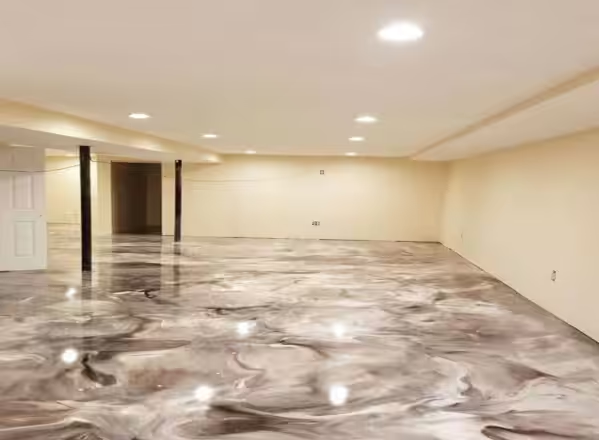
One reason many New Jersey homeowners are drawn to epoxy flooring for basement projects is the wide variety of colors, textures, and decorative finishes available. Modern epoxy systems can mimic stone, marble, metallic surfaces, and custom designs while maintaining exceptional durability.
Budget Planning and Costs
Budget planning is a critical step in any renovation project.
The total cost of basement flooring depends on several factors:
- Material selection
- Square footage
- Surface preparation needs
- Labor costs
- Moisture mitigation requirements
While some flooring materials may have a lower upfront cost, they may require more maintenance or replacement over time.
A properly installed epoxy floor often provides excellent long-term value because of its durability and low maintenance needs. Consulting experienced epoxy floor contractors can help homeowners understand project costs and identify solutions that fit their budget.
When evaluating costs, consider the entire lifespan of the flooring rather than focusing solely on initial installation expenses.
Preparing the Basement Floor
Preparation is one of the most important stages of any flooring upgrade.
Even the highest-quality flooring materials can fail if installed over an improperly prepared surface.
Common preparation steps include:
Repairing Cracks
Concrete cracks should be repaired before flooring installation begins.
Leveling the Surface
Uneven surfaces can create installation challenges and affect the finished appearance.
Installing Moisture Barriers
Moisture barriers help protect flooring from water vapor that rises through concrete slabs.
Cleaning the Existing Floor
Removing dirt, oil, and contaminants ensures proper adhesion for flooring materials and coatings.
For homeowners considering epoxy flooring for basement applications, professional surface preparation is especially important. Proper grinding, cleaning, and repair work contribute significantly to the performance and longevity of the finished floor.
Safety and Code Requirements
Safety should always remain a priority during basement renovations.
Depending on the scope of the project, local building regulations may apply. Homeowners should verify whether permits or inspections are required before beginning major renovations.
Other safety considerations include:
- Slip resistance
- Indoor air quality
- Proper drainage
- Mold prevention
- Fire safety compliance
Professional epoxy floor contractors in NewJersey, understand these requirements and can recommend flooring systems designed to meet both safety standards and homeowner expectations.
Working with Professionals
Although some flooring projects can be completed independently, basement renovations often benefit from professional expertise.
A qualified contractor can:
- Assess moisture conditions
- Recommend suitable materials
- Prepare surfaces properly
- Ensure code compliance
- Deliver a higher-quality finish
When interviewing contractors in New Jersey, homeowners should ask about:
- Experience with basement flooring
- Licensing and insurance
- Project timelines
- Product warranties
- References from previous clients
For specialized coating systems such as epoxy flooring for basement installations, professional application is often the best way to achieve a durable and visually appealing result.
Conclusion
Upgrading your basement floor surface is a significant investment that can improve comfort, functionality, and overall home value. However, success begins with careful planning and a thorough understanding of your basement’s unique environment.
From moisture control and surface preparation to material selection and professional installation, every step plays an important role in the outcome of the project. Homeowners throughout New Jersey continue to explore modern flooring solutions that combine durability with style, and epoxy flooring for basement spaces remains one of the most practical options available.
By working with reputable epoxy floor contractors, addressing environmental concerns early, and choosing materials designed for long-term performance, you can create a basement floor that looks great, performs well, and serves your family’s needs for years to come.