




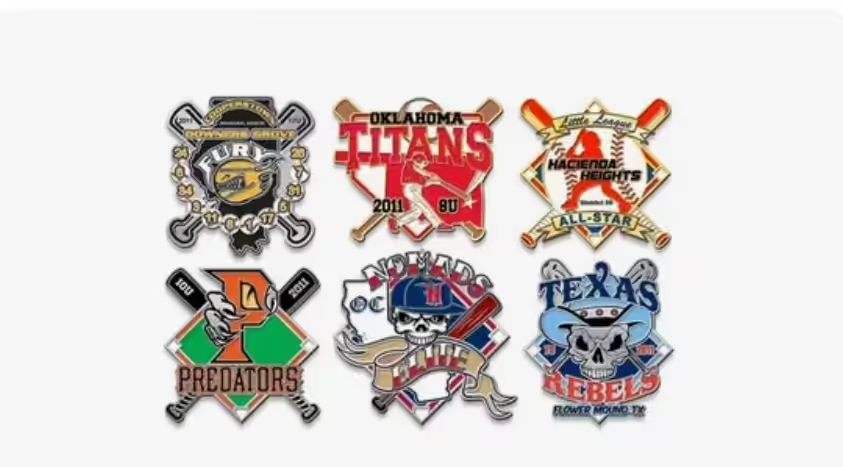
You may have found custom trading pins at the merchandise table, as part of an influencer collaboration, or at youth baseball, football, hockey, or basketball teams. Trading pins are usually made for sports teams, fans, and clubs.
Custom pins on the bags or costumes of the baseball team not only represent their identity but are also designed to be traded with other players. They also support and boost collaboration, spirit, and friendship among the team.
Most custom pins are designed with the team name, logo, and mascot to recognize and collect early in events and games.
Brands often design these pins for long-term collaboration, marketing, and supporting the team. This boosts brand recognition, builds customer loyalty, and provides tangible advertisement.
Why Custom Baseball Trading Pins Matter More Than Ever
Players quite often shout, “We are in this together.” However, customized accessories like these pins are the actual morale boosters that unite the whole group of players.
“I just want that pin! It looks amazing!” Maybe in some event, you have heard this type of thing from kids. Trading pins is the favorite part of the kids at the baseball event.
These pins are a perfect memento for players and parents alike, whether you win or lose the match. A perfectly designed pin with cool features (glitters, spinners, or sliders) makes you memorable in the game on and off.
What are Custom Baseball Trading Pins?
Baseball trading pins are the customized wearable pins with distinct designs, teams, players, and fans wear and trade with others. They are the most popular accessories of youth sports nowadays.
The design of the pins can be anything you want. They feature baseball bats, balls, mascots, or scoreboards. The name of the player and, team name can be designed on them as well.
Custom baseball trading pins are small metal tokens that youth trade to make new friends in sports.
Types of Custom Trading Pins
Custom trading pins come in different styles and types, having different looks, details, turnaround times, textures, and quality. They come in various types, but the primary options are:
1. Soft Enamel Pins
They are the most popular type of pins with lasting durability and vibrant colors. You may have seen that 60-70% of tournament pins are made of soft enamel. These are plated with gold, silver, and black tones and are struck with high-grade iron. Prices of soft enamel are pretty affordable and will never hurt your budget.
2. Offset Printed
Offset pins designs are printed on a white iron metal sheet featuring gradient and drop shadows. The designs of these pins are individually stamped out and protected with a thin layer of epoxy. They are less common but are made quickly than the soft enamel pins. The prices of these pins are also less than the soft enamel pins.
3. Quick Pins
The name of these pins says it all. Quick pins come with fast turnaround times and can be made at the last minute. They come with quick and affordable solutions. These trading pins are printed with a protective epoxy layer on a thick base of 1.5mm weight, comparable to the soft enamel.
How to Design Trading Pins?
Trading pins is a part of the tournament culture; teams trade to feel special, look cool, and remember the moment. These are not only enamel pins but a team identity with a logo. Let’s dive deeper to know how to design the best baseball trading pins.
1. Understanding Team Identity
Clearly understand the team identity with the name, logo, mascots, and colors to make good and recognizable pins. Players should be able to tell which team they belong to just by a first glance.
2. Unique Shape Pins
Round shapes for trading tokens are common, but unique shapes may catch the attention of pin boards. You can take the shapes of bats, balls, mascots, gloves, or jersey numbers to make it easier to spot on lanyards.
3. Pick a Color
Choose the multiple color groups of the team with a strong contrast. The standout pins can be easy to identify and more likely to be traded. If they are visible from a few steps, it will work well.
4. Feature Players Love
They often trade more due to their memorable features. Players usually love glitter enamel, spinners, danglers, and sliders on the badges. You don’t need to add multiple features; one good feature is enough.
5. Small Details
Players prefer designs with minimal details. Some recommend adding the event name or year, or a short phrase for that season, which increases trade interests.
6. Set a Size
The best size for custom trading pins is 1.75 to 2 inches. This size range allows for adding colors efficiently, with space for mascots, logos, and one special feature, while remaining comfortable to wear and trade.
Tips for Buying Custom Trading Pins
Pins are mostly bold in color, with a funky, sleek, or minimal design. The design must reflect your team’s identity and convey something about your team. Make sure to pick the pins that are ready to be worn and traded. These tips will help you buy custom baseball pins.
1. Experience Matter
Your team identity counts; that’s why it is crucial to work with an experienced custom hat pin maker. Look for the one who knows how to bring your vision to life.
2. Set Budget
The size and material may affect your final price. The add-ons may increase the cost. Set your budget beforehand with a detailed breakdown.
3. Order Timely
Order your pins before time as soon as possible. This will allow you to get the delivery before the event and extra time for revisions.
4. Quantity
Ordering in bulk can be more effective and reduce the price per pin. Big orders may save up to 50% and you won’t run out of the pins in the mid the event.
5. Involve your Team
Ask your team to help with the design. This will increase their excitement and love for the pins. They would keep them as cherished keepsakes for years.
6. Design Your Trading Pins
Design your pins in advance to avoid last-minute hassles. Begin with the small key details to keep everything manageable within time.
7. Personal Touch to Make a Difference
Small, meaningful details make pins unforgettable. Add age brackets, the player’s name, and dates as a personal touch.
8. Check Proofs Before Finalization
Check each detail before finalizing the design, including names, spellings, and numbers. After receiving the final products, it is difficult to modify and will prove to be quite costly.
Common Mistakes to Avoid When Designing Custom Pins
Designing custom pins can be exciting, but some mistakes can lead to delays, high costs, or unsatisfactory results. Avoiding these common pitfalls may help you to design professional pins that meet expectations.
- Rushing Your Design: The cluttered artwork without any proper planning can look unprofessional. Mock your pin design properly and focus on shapes and color.
- Size of the Pin: One of the mistakes in designing the custom pin is the size of the pin. A big size may get uncomfortable to wear, and a small size may skip details. Set the size according to where it will be worn, a backpack or a hat.
- Overcomplication: Complex design with tiny texts or multiple elements may lose a premium appearance. Keep your custom pin simple and bold for clarity.
- Wrong Plating: Choosing the wrong plating colors is a common mistake that makes your pin look cheap and clash with other colors. Choose the antique finishes, silver, or gold plating that elevate your design.
- Color Proofing: Not checking the color is another mistake of the custom trading pins. Colors may look different in enamel finishes. Review the color proofing carefully to prevent any effect on the final results.
Final Thoughts
Custom trading pins are a beloved part of the culture of the youth baseball, football, or basketball tournament. They are not only meant to differentiate but also to build spirit and make the event memorable for players and fans.
Trading pins are the wearable tokens that make the team stand out from the others. Their primary types include the soft enamel (the most common), offset printed, and quick pins.
Designing these custom tokens requires an understanding of the team’s identity, unique shape, team colors, pin size, and the small details that players love.
To buy custom baseball pins, you must find a professional maker, set a budget and quantity, order in time, and go through design, proofing, and finalization. Avoiding common pitfalls can ensure you have the professional look of the final production.