









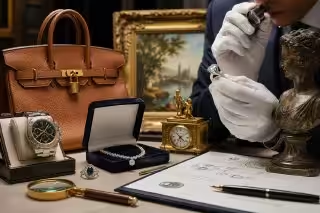
Whether you’re looking to sell a treasured heirloom, insure a luxury purchase, or simply understand what a collectible is truly worth, getting a professional valuation is a first move. Whether it’s about watch valuations or art valuations, each area needs specialist know-how, market awareness, and a careful review of what’s actually there.
A proper valuer doesn’t just look at how something appears. They also scrutinise authenticity, overall condition, provenance, scarcity, the brand’s standing, the quality of craftsmanship, and even current market demand to arrive at a value that’s both dependable and grounded.
In the end, this guide walks through how professional valuations work and why they matter so much for collectors, investors, and even regular owners who just want clarity.
How Does Watch Valuation Work?
Luxury watches are some of the most frequently traded collectibles around. A professional watch valuation usually looks at a handful of important things before anyone throws out a price.
Common considerations are:
- The brand reputation
- Model and exact reference number
- The age and production year
- The original box and documentation
- The mechanical condition and any service history
- Limited editions matter, too, along with
- Market demand
- Provenance
In practice, prestigious brands often hold their resale value pretty well, yet scarcity and condition can sometimes push the market price even more. Small differences, like original components or the state of the dial, or whether factory documentation is complete, can end up changing the final watch valuation by a lot.
What Determines Handbag Valuations?
Lately, luxury handbags have been recognised as investment assets, and some specific models can end up appreciating over time.
A professional handbag valuation usually looks at a mix of things, like:
- The brand and model
- Then move into material quality
- Colour choice
- The hardware details
- Condition
- How it has aged, whether there are signs of wear
- Authenticity
- Date code or serial number
- The original packaging and receipts
On top of that, current resale demand matters a lot because even a rare bag can be priced differently if the market mood shifts. Limited-edition handbags, discontinued lines, and those particularly coveted shades can affect the handbag valuation by often pulling higher-than-expected prices.
Authentication is extra important, too, since counterfeit luxury goods are still very widespread across secondary marketplaces, and that can drastically change what the bag is actually worth.

How Are Art Valuations Conducted?
Professional art valuations usually mix past documentation with what’s happening right now in the market. In practice, experts look at a bunch of things; some seem obvious at first, but they matter a lot.
Like, they’ll assess the following:
- Artist attribution
- The medium
- Dimensions
- Subject matter
- Provenance
- Plus exhibition history
- Condition
- Authenticity
- Auction performance
- Private-market transactions
In the end, an artwork’s value is not only about artistic merit, but it’s also about a collector’s appetite and how similar works have traded. If the art market shifts, prices can drift over time, so for notable collections, periodic revaluations are usually a wise move.
What Makes Antique Valuations Different?
Unlike modern luxury goods, antiques get their value from age, their past importance, scarcity, craftsmanship, and cultural meaning or presence. It’s kind of not the same thing as a new designer item where the price is mostly style and brand; here, it’s more about the story, even if the item looks simple.
Professional antique valuations usually look at things like:
- Age
- Origin
- Materials
- Maker
- Historical relevance
- Restoration history
- Condition
- Provenance
Articles that come with a documented ownership background or connections to well-known people often end up with higher antique valuation numbers. On the other side, if there’s been serious reworking or original parts are missing, the value can drop pretty fast.
Also, because antique markets shift over time, getting professional advice tends to keep owners from underpricing a genuinely valuable piece or overestimating something more common than it seems.

How Is Jewellery Valuation Performed?
A professional jewellery valuation is more than just looking at the weight of precious metals, the usual first guess people make. Valuers look at a whole mix of things that aren’t always obvious right away, sometimes even at the smallest finishing touches.
They will typically assess:
- The diamond or gemstone quality
- The carat weight
- The cut
- Colour and clarity
- Metal purity
- Brand matters too
- Craftsmanship
- Design
- Condition
- Certification gets checked as well
Luxury designer jewellery, antique jewellery, and rare gemstones can require specialist jewellery valuation because they can be more complex and less predictable. In these situations, gemological testing equipment may be used, too, to help verify authenticity and uncover whether any treatments were applied.
And yes, insurance valuation might not match a resale valuation, because each one is aiming for a different outcome or purpose.
Final Thoughts
Professional valuations are way more than just a quick price; they give you that real assurance and paper trail you actually need for insurance resale purposes, estate planning, and even for investment choices. With a proper watch valuation, you get a careful look at authenticity, condition, relative scarcity, and what the market is doing right now. The same idea applies to handbag valuations, too, since those consider brand identity, provenance details, and craftsmanship. And then there are art valuations, where specialists help collectors and owners understand the genuine market worth of paintings, sculptures, and other creations, usually through research and comparable sales.
It’s also just as important that antique valuations figure out the value of older items by weighing age, origin, physical state, and historical importance. A solid jewellery valuation, meanwhile, reviews gemstones, precious metals, workmanship, and the official certifications, so the number is accurate and defensible.