










Think of a small Canadian business that is trying to impress its audience and leave a mark. Despite having incredible products and services, it may struggle to gain a reputation or positive attention among the public. The reason? Its audience isn’t sure if the brand is reliable.
That question mark on the trustworthiness of any brand is a challenge. That is what many brands go through in a crowded, competitive market. Basically, visibility alone is nothing when credibility is missing.
That’s exactly where notability assessment comes in. Once you evaluate how your brand is seen and discussed online, businesses can identify gaps and build the missing trust with their audience.
So, if you’re wondering how notability assessment works in favour of digital credibility, keep on reading. But before addressing the main issue, let’s dig deeper into what notability assessment really is.
What Is a Notability Assessment?
Put simply, notability assessment is a process that helps brands understand how they are perceived and recognized online. You not only focus on simple metrics like followers or website visits, but there’s more you should evaluate. Its quality, authority, and trustworthiness.
When you run this assessment, you look at several factors like media mentions, awards, certifications, customer reviews, and audience engagement, all in the digital space. The idea is to analyze all these factors so you can find where your brand stands. You will get a better look at the strengths, spot areas for improvement, and take steps to sort the credibility situation.
If you want things to go smoothly, notability assessment services are your way to go, as they handle everything from start to end. However, if you’re planning to do it yourself, this blog is all you need.
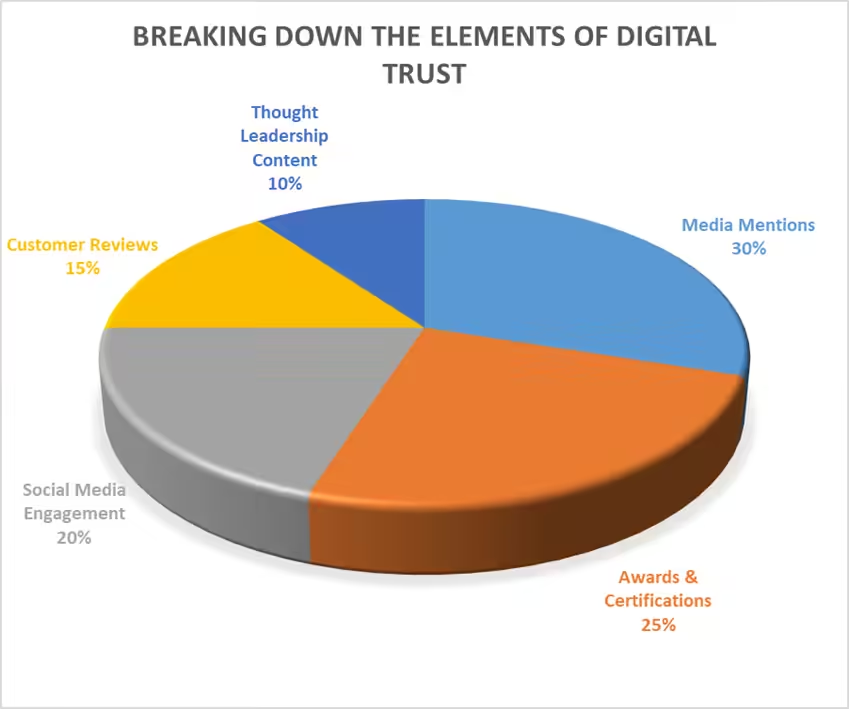
Now that we know much about the term, let’s find out how it actually builds your online credibility.
How Brands Achieve Digital Credibility Through Notability Assessment
1. Audit Your Online Presence
The first step in building digital credibility is to understand your current online presence. This means taking a close look at everything your brand does online, including your website, social media profiles, online directories, blogs, and reviews. By seeing where your brand appears and how it is presented, you can get a clear picture of how people perceive you.
This audit of your own profiles is highly essential. You check for outdated, inaccurate information and broken links. You must review how your products, services, and achievements are mentioned across the digital channels.
The point here is to find out how easy it is for potential customers to know more about you. Also, if the details they are getting about you online are accurate and up to date.
2. Track Quality Mentions and Media Exposure
Having a clear understanding of where your brands are being mentioned and in what context is key. Understand that not all mentions are equally valuable. You must check the sources of the mentions, as only reputable news outlets, industry blogs, or well-known websites are considered reliable. Only such high-quality mentions work in your favour and make you credible.
To track mentions, all you have to do is track mentions, articles, blog posts, social media shares, and other relevant content that discusses your brand. Also, evaluate if the mention is positive or negative.
Only if your mentions are high-quality and positive will they impact your credibility. By tracking that, you may also come across inaccuracies in the information spread about your brand. That’s your chance to change.
3. Showcase Your Authority and Achievements
If you want your brand to come across as credible, it must be more than just visible. Your recognition builds up with the achievements your brand has earned over the years. Any awards, certifications, and endorsements signal that your brand is trustworthy.
Highlighting these achievements is crucial because you must show that your business is considered among the most respected ones.
Once you start sharing your milestones across online channels, you are indirectly reinforcing your potential customers’ belief in your command and authority. You can also go for case studies and press features, as they are super credible sources too.
4. Measure Engagement and Audience Trust
So far, we have been discussing what has already been mentioned about your brand. But another factor you must consider is how your audience is responding to it. Measuring audience engagement helps you understand whether your audience values your brand.
If you want better insight, focus on metrics like likes, shares, comments, reviews, and other interactions. Know that any great Wikipedia writing service CA will do that for you, leaving you with no stress.
By paying attention to all these, you can learn what is working and what isn’t. High engagement indicates trust, while low engagement suggests it needs improvement.
5. Spot Gaps and Opportunities
No matter how established a brand you are, there must be some areas where your digital presence is weak. Always take out time to spot those gaps so you can improve your credibility. Wondering what those gaps could be? Missing information on websites or social platforms, and even a lack of media coverage, are also part of it.
This isn’t just highlighting your shortcomings, but is an opportunity to grow. You can grow your collaborative work with other brands and industry experts. Take your time out to improve your online features. Once you understand your weaknesses and potential, you can strengthen your credibility.
Common Mistakes Brands Make
Anything small can sabotage your credibility. Here are some mistakes that they may stumble upon in building digital credibility.
- Neglecting regular monitoring can affect your online presence and hurt your credibility.
- Focusing on quantity over quality gets you nothing but disappointment.
- Never ignore audience engagement because it may make you untrustworthy.
- Not applying findings strategically or doing anything for the notability.
Final Thoughts
It’s clear as day that building digital credibility is all about being trusted and respected. By analyzing your notability, tracking mentions, highlighting achievements, and spotting gaps, you can come across as a trustworthy brand.
Doing that will result in more customers and better sales numbers, because it’s a competitive advantage that sets your brand apart.