





If you send parcels every day, you’ll know that packing an order is never just the last step before dispatch. It’s the moment you decide how well that product is going to survive everything that happens next. From conveyor belts and delivery vans to warehouse shelves and customers’ doorsteps, every parcel goes through more than most people imagine. The right postal packaging is simply the one that gives your products the protection they genuinely need—no more and no less.
It’s tempting to use the same packaging for every order because it’s quick and familiar. The trouble is that not every product faces the same challenges. A coffee table book, a handmade candle and a set of ceramic mugs all need different levels of protection. Choosing the right materials from the start saves time, reduces damaged deliveries and helps every order arrive looking as though it has been packed with care.
Why Your Packaging Choice Matters More Than You Think
Customers rarely compliment a box, but they always notice when something arrives damaged. A split carton, a cracked ornament or bent book corners can quickly turn an exciting delivery into a disappointing experience.
That’s why good packaging should be chosen with the journey in mind, not just the product. Before a parcel reaches its destination, it might be stacked beneath heavier boxes, moved between sorting hubs, loaded onto different vehicles and carried through several pairs of hands. Every stage adds pressure to the packaging.
Before sealing your next parcel, ask yourself:
- Is the product likely to break if it’s knocked?
- Will it move around inside the package?
- Is the packaging strong enough for the product’s weight?
- Could moisture or rough handling become an issue?
Those simple questions often lead to better packing decisions than choosing materials on habit alone.
What Postal Packaging Materials Can You Choose From?
No two parcels are exactly alike, so using the same packaging every time rarely gives the best result. Some products need cushioning, while others simply need a sturdy outer layer that can handle the journey. Having a range of packaging materials to choose from makes it easier to pack confidently and avoid unnecessary damage.
Corrugated Cardboard Boxes
These are the backbone of postal packaging and work well for products of all shapes and sizes. They’re available in different strengths, making them suitable for everything from lightweight goods to heavier shipments.
They’re commonly used for:
- E-commerce orders
- Household products
- Retail and wholesale deliveries
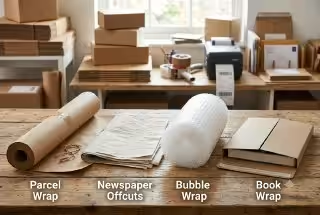
Parcel Wrap
When a parcel needs an extra layer of protection, parcel wrap helps reinforce the package’s exterior. It keeps cartons secure and protects them from scuffs, dust, and light moisture during handling.
It’s a practical choice for:
- Large cartons
- Multi-item shipments
- Long-distance deliveries
Padded and Bubble Mailers
For smaller items, padded mailers offer protection without the size of a cardboard box. They’re a popular choice for sending accessories, cosmetics, mobile phone cases, and small electronic items.
You’ll often use them for:
- Jewellery and fashion accessories
- Small spare parts
- Lightweight online orders
Mailing Bags
Mailing bags are ideal when your products don’t require rigid packaging. They’re lightweight, quick to seal, and help reduce parcel weight, making them especially useful for clothing and soft goods.
They work well for:
- Apparel and textiles
- Documents
- Non-breakable products
Bubble Wrap
Fragile items deserve extra attention before they leave your packing bench. Bubble wrap cushions products against everyday knocks and helps prevent damage while parcels move through sorting centres and delivery vehicles.
It’s widely used for:
- Glassware
- Ceramics
- Electronic accessories
| Packaging Material | Best Suited For | Key Benefit |
| Corrugated Boxes | General shipping | Strong overall protection |
| Parcel Wrap | Large parcels | Reinforces outer packaging |
| Padded Mailers | Small delicate items | Lightweight cushioning |
| Mailing Bags | Clothing and textiles | Fast and economical packing |
| Bubble Wrap | Fragile products | Shock absorption |
The best-packed parcels usually combine several of these materials rather than relying on just one. Choosing the right mix helps your products stay protected from dispatch through to delivery.

Is Matching the Packaging to the Product Important?
One lesson you learn quickly when packing orders is that there isn’t a “one-size-fits-all” solution. A box that protects a set of mugs won’t necessarily keep a book in perfect condition, and the material that works for clothing may be unnecessary for something heavier. The more closely your packaging matches the product, the easier it becomes to pack confidently and send parcels that arrive exactly as expected.
Good Packaging Is Usually a Combination
The best-packed parcels rarely rely on a single material. A fragile order might be wrapped, cushioned and boxed before it’s sealed, while a heavier shipment may only need a stronger carton and a secure outer wrap. Thinking about the journey instead of following the same routine for every order often leads to better results.
| Product | Packaging That Works Well |
| Books | Book Wrap + Corrugated Box |
| Glassware | Bubble Wrap + Strong Box |
| Clothing | Mailing Bag |
| Ceramics | Newspaper Offcuts + Corrugated Box |
| Mixed Orders | Parcel Wrap + Appropriate Cushioning |
Final Thoughts
Good packaging isn’t about making a parcel look impressive. It’s about giving every product the protection it genuinely needs before it leaves your premises. A little thought at the packing bench can prevent damaged deliveries, unnecessary replacements and disappointed customers later. If you choose your materials based on the product rather than habit, you’ll create parcels that travel better, arrive in better condition and leave a better impression.
Frequently Asked Questions
1. Which products are best suited to book wraps?
Books, diaries, brochures, artwork and other flat items that need edge protection.
2. Are newspaper offcuts enough for fragile products?
They’re best used as a filler alongside stronger protective materials rather than as the only cushioning.
3. Should every parcel include bubble wrap?
No. Use it when the contents are fragile or could be damaged by knocks during transit.
4. Is it better to use several packaging materials together?
In many cases, yes. Combining the right materials gives better protection than relying on a single one.
5. How do you decide which packaging to use?
Start by looking at the product’s weight, shape and fragility, then choose materials that protect it without adding unnecessary bulk.