








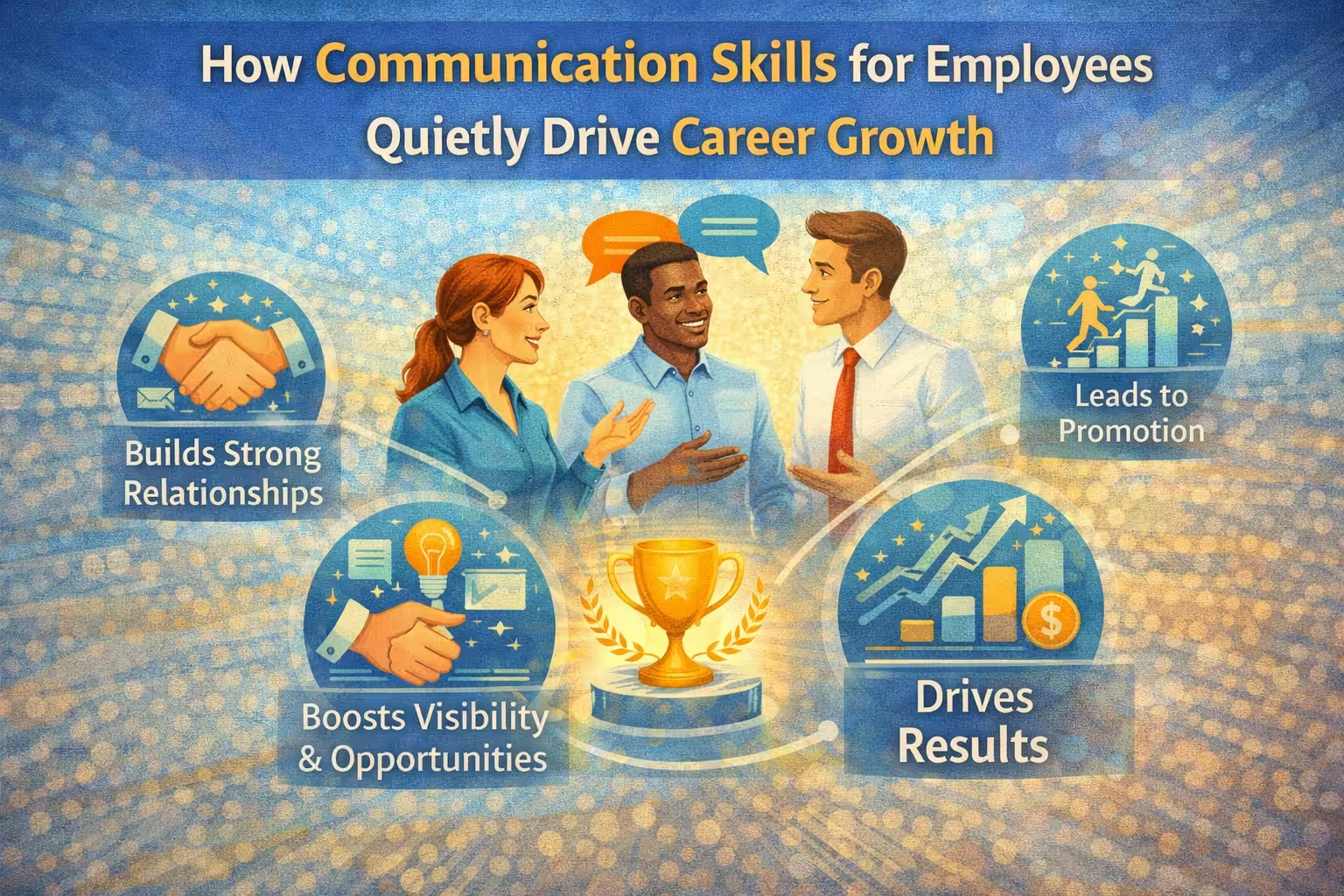
Doing well in your job doesn’t just happen overnight. It’s the result of lots of small things you do every day that add up over time. One of the most important things you can do is communicate effectively. Being good at communication is not just about being able to talk well – it’s about how you get your ideas across, how you connect with your coworkers, and how you build strong relationships with them. When you communicate well, you can express yourself clearly, work together as a team, and earn the trust of those around you. This is what helps you succeed in the long run.
When people talk clearly and work well together, things get done smoothly and mistakes are avoided. This helps them feel more confident in what they can do. Good communication is important for doing your job every day, but it also helps you grow and succeed in the long run. It can even lead to new chances and leadership roles that you might not have had otherwise.
Daily Interactions Shape Professional Image
Every time you interact with someone at work, it affects how they see you. This can be a brief chat with a coworker, a talk during a meeting, or even just a simple email. All these little moments help create the impression people have of you as a professional.
When people communicate in a clear and respectful way, it makes a good impression on those around them. They come across as someone you can talk to, trust, and work with easily. But if they’re not clear or don’t respond well, it can cause confusion and might even make others question how professional they are. Good communication is key to building strong relationships and trust with others, whether it’s at work or in our personal lives. By being approachable, reliable, and easy to understand, we can create a positive and supportive environment where everyone feels valued and heard.
For example, when an employee listens carefully, responds thoughtfully, and avoids unnecessary misunderstandings, they naturally build trust within the team. Over time, this trust strengthens their position in the workplace. People begin to rely on them, value their input, and include them in important discussions.
These small daily habits can add up and really make a difference in how you’re seen at work. When you communicate well, people tend to remember you for more than just your words – they remember how you made them feel when you talked to them.
Listening Builds Stronger Influence
Communication is not only about speaking—it is equally about listening. In fact, effective listening is one of the most underrated skills in the workplace.
When employees really listen to what their team members are saying, they can get a better sense of what they need, what’s worrying them, and what they’re hoping for. They notice the little things, ask questions that get to the heart of the matter, and respond in a way that shows they’re genuinely engaged. This kind of active listening makes conversations more substantial and effective, and helps to build stronger relationships within the team. By doing so, employees can create a more positive and supportive work environment, where everyone feels heard and valued.
When we really listen to someone, they’re more likely to trust us and think highly of us. This is especially important at work, where it can help build strong relationships with our colleagues. People who are good listeners often become leaders without even realizing it, because others see them as caring and thoughtful. By taking the time to truly hear what someone is saying, we can create a more positive and supportive work environment.
When people really listen to what’s being said, it helps cut down on mistakes and miscommunications. By paying close attention, employees can make sure they’ve got the right information before they do anything. This not only helps them do their own jobs better, but it also makes the whole team work more smoothly. It’s about taking the time to understand what’s being said, rather than just making assumptions or jumping to conclusions.
When you really listen to your employees, it can have a big impact on how well they work together and make decisions. Over time, listening can help them become better at working with others, making good choices, and being reliable team players.
Clear Speaking Brings Confidence
The ability to express ideas clearly is a major factor in building confidence at work. Employees who can explain their thoughts in a simple and structured way feel more comfortable sharing their opinions.
Clear speaking helps employees participate actively in meetings, present ideas without hesitation, and contribute to discussions with confidence. They are not afraid to ask questions or clarify doubts because they know how to communicate effectively.
As people get more confident, they start to feel better about talking in front of others. Over time, they begin to take charge and do things on their own. For example, they might offer to lead group talks, present their work, or help their teammates. This happens because they’re getting more comfortable with speaking up and sharing their ideas.
For instance, an employee who explains a complex idea in simple words not only shows clarity but also demonstrates leadership potential. Managers often notice such individuals because they can communicate ideas that others can easily understand.
Being able to communicate clearly and in a straightforward way is what really matters, not trying to use big words to sound impressive. When you can express yourself in a simple and thoughtful way, it makes a big difference and can really help you advance in your career.
Learning Through Training
In today’s competitive work environment, organizations understand the importance of communication. Many companies invest in communication skills training for employees to help them improve their professional interactions.
Training programs focus on various aspects such as speaking clearly, writing effectively, listening actively, and managing workplace conversations. These programs provide practical techniques that employees can use in their daily work.
For example, employees may learn how to structure their thoughts before speaking, how to give presentations, or how to handle difficult conversations. They may also learn how to adapt their communication style depending on the situation or audience.
Communication training is not just an additional skill it has become a basic requirement in many workplaces. Employees who take part in such programs often become more efficient, confident, and productive.
Moreover, continuous learning helps employees stay updated with modern workplace expectations. As communication methods evolve, especially with digital tools, employees need to adapt and improve their skills regularly.
Investing time in communication training is, therefore, an investment in long-term career growth.
Handling Feedback Smoothly
Feedback is an essential part of professional growth. However, the way an employee handles feedback depends largely on their communication skills.
Employees with strong communication skills approach feedback with an open and calm mindset. Instead of reacting negatively, they listen carefully, try to understand the message, and respond thoughtfully. This helps them learn and improve continuously.
For example, when a manager provides constructive criticism, a good communicator will ask questions for clarity, accept the feedback positively, and take steps to improve. This attitude reflects maturity and professionalism.
On the other hand, poor communication can lead to misunderstandings, defensiveness, or conflict. Employees who struggle to communicate effectively may find it difficult to accept feedback, which can slow down their growth.
A healthy work environment depends on open and respectful communication. When employees handle feedback smoothly, it encourages a culture of learning and improvement within the team.
Over time, this ability to accept and act on feedback becomes a strong advantage in career development.
Communication Supports Career Opportunities
Career opportunities are often influenced by how well an employee communicates. Technical skills are important, but without communication, those skills may go unnoticed.
Employees who can clearly present their ideas, share their achievements, and contribute to important discussions are more likely to be recognized. They are often chosen for key projects, leadership roles, and promotions.
For instance, during meetings or presentations, effective communicators can highlight their work in a way that others understand and appreciate. They know how to explain results, share insights, and connect their contributions to team goals.
Managers and leaders value employees who can represent the team, communicate with clients, and handle responsibilities confidently. This is why communication is often considered a key factor in career advancement.
In many cases, the difference between two equally skilled employees comes down to communication. The one who communicates better often moves ahead faster.
Adapting with Ease in a Changing Work Environment
The modern workplace is constantly changing. New technologies, processes, and expectations require employees to adapt quickly. Communication plays a crucial role in this adaptability.
Employees who communicate effectively can ask the right questions, seek clarity, and understand new information easily. They are more open to learning and less afraid of change.
For example, when a new system is introduced, a good communicator will actively engage in discussions, ask for guidance, and share feedback. This helps them adjust faster and perform better.
Communication also helps in managing uncertainty. When employees can express their concerns and seek support, they feel more confident in handling new challenges.
Adaptability is a key skill in today’s work environment, and communication acts as a bridge that connects employees to new opportunities and experiences.
Building Strong Relationships at Work
Another important benefit of communication is relationship building. Strong workplace relationships are essential for collaboration, teamwork, and overall job satisfaction.
Employees who communicate well can build connections based on trust and respect. They understand others’ perspectives, resolve conflicts effectively, and maintain positive interactions.
Good relationships create a supportive work environment where employees feel valued and motivated. This not only improves performance but also contributes to long-term career growth.
Networking within the workplace also depends on communication. Employees who interact confidently and professionally are more likely to expand their network and gain new opportunities.
Conclusion
Career growth is not defined by a single moment of success—it is the result of consistent habits developed over time. Among these habits, communication stands out as one of the most powerful tools for professional development.
Communication skills for employees influence how they interact, learn, adapt, and grow in their careers. From daily conversations to handling feedback, from building relationships to gaining recognition, communication plays a role in every aspect of professional life.
By improving how they speak, listen, and respond, employees can build confidence, strengthen their reputation, and create new opportunities for success. Participating in communication skills training programs further enhances these abilities and prepares employees for future challenges.
In the end, strong communication is not just a skill it is a foundation for a successful and rewarding career.