





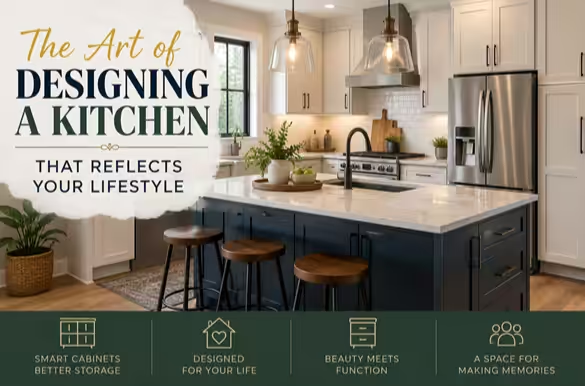
A kitchen can look beautiful in photos and still feel wrong in real life. Maybe the cabinets are stylish, but there is not enough storage. Maybe the island looks expensive, but it blocks movement. Or maybe the layout feels fine during a quiet morning, yet becomes stressful when dinner, homework, and family conversations all happen at once.That is why designing a kitchen should start with lifestyle, not just color samples. Your daily habits matter. Your cooking style matters. Your storage needs matter too. A good kitchen should make life easier, not just impress guests for a few minutes.
For Milwaukee homeowners, this matters even more because every home has a different layout, age, and character. Some kitchens are compact and cozy. Others are open and made for gathering. The right kitchen cabinets, layout, finishes, and storage choices can turn a basic kitchen into a space that truly fits the way you live.
This guide explains how to design a kitchen around your routine, your taste, and your long-term needs.
Your Daily Routine Should Shape Your Kitchen Design
Start with a simple question. How do you actually use your kitchen every day?Some people cook full meals every night. Others mainly need space for coffee, quick breakfasts, and meal prep. A family with children may need snack storage, easy-to-clean surfaces, and space for school bags. A couple who enjoys hosting may care more about open flow, seating, and serving areas.
These small details should guide the design. For example, if mornings are rushed, a coffee station near mugs and breakfast items can save time. If you cook often, pots, pans, spices, and cutting boards should be easy to reach. A kitchen that matches your habits feels smoother from the first day.
Designing Around Real Life
Think about movement. Where do you stand when preparing food? Where do people gather? Where do dishes pile up? These answers help decide cabinet placement, drawer sizes, lighting, and counter space.A kitchen should not force you to work around poor design. Instead, it should support your normal routine without extra effort.
Why Generic Kitchen Layouts Often Lead to Regret
A kitchen copied from a showroom may look nice, but it may not fit your home. That is where regret often begins. A large island may look impressive, but it can crowd a narrow space. Open shelving may look clean online, yet feel messy if you do not want dishes on display.The problem is not always the product. Often, the problem is the planning. A kitchen designed without lifestyle in mind can feel uncomfortable after the excitement fades.
The Hidden Cost of Poor Planning
Poor planning can also affect your budget. Moving plumbing, replacing wrong-size cabinets, or changing layouts later can cost more than making smart choices early.This is why you should think beyond style. Ask how each feature will work after six months, two years, and five years. A kitchen should feel helpful on busy weekdays, not only look good on installation day.
Choosing Kitchen Cabinets That Support Your Lifestyle
Cabinets do more than fill wall space. They shape how your kitchen works. The quality kitchen cabinets can reduce clutter, improve storage, and make daily tasks easier.If you have a busy family, deep drawers may work better than lower cabinets with hard-to-reach shelves. If you cook often, pull-out trays, spice organizers, and divided drawers can keep tools close. If you want a cleaner look, tall pantry cabinets can hide dry goods, small appliances, and extra dishes.
Storage That Matches Your Habits
Storage should match what you own. A family that buys groceries in bulk may need a large pantry. Someone who bakes may need space for mixers, trays, and baking tools. A homeowner who prefers a simple kitchen may want fewer open areas and more hidden storage.Do not choose cabinet storage only by appearance. Open the doors. Picture your daily items inside. If it feels practical, you are moving in the right direction.
Balancing Beauty and Function
Style still matters, of course. Cabinets are one of the most visible parts of the kitchen. However, the best choice blends looks with function.Soft-close drawers, quality hardware, strong finishes, and smart layouts can make the kitchen feel better every day. A beautiful cabinet that does not hold what you need will become annoying fast.
Creating a Style That Feels Like Home
Your kitchen should reflect your personality. Some people want something warm and traditional. Others prefer clean, bright, and modern. Some like a mix of both.This is where cabinet style, color, hardware, backsplash, flooring, and lighting work together. A kitchen does not need to follow every trend. It should feel natural inside your home.
Why Modern Shaker Style Cabinets Work Well
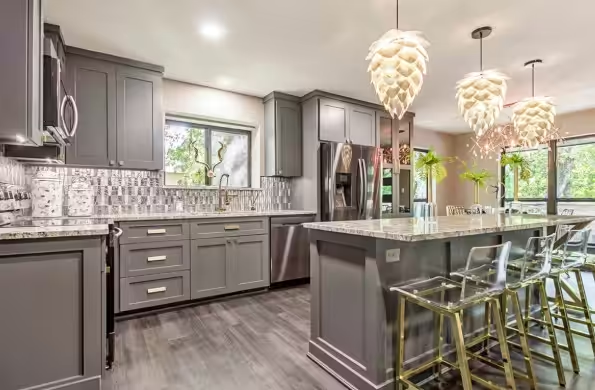
Modern shaker style cabinets are a strong option because they offer balance. They have clean lines, but they do not feel cold. They look fresh, but they still fit many home styles.In Milwaukee homes, this style can work well in older houses, updated ranch homes, and newer spaces. White shaker cabinets can make a small kitchen feel brighter. Wood-tone shaker cabinets can add warmth. Darker shades can create a bold, polished look.
The simple design also gives you room to personalize the kitchen with handles, lighting, countertops, and backsplash choices.
Making the Most of Your Available Space
Not every kitchen has a huge footprint. That does not mean it cannot work well. A smaller kitchen can feel open and easy to use with the right planning.Tall cabinets can use vertical space. Corner storage can reduce wasted areas. Drawer organizers can keep items in place. Even a narrow kitchen can feel more useful when each section has a clear job.
Small Kitchen Ideas That Help Daily Life
If your kitchen feels tight, avoid adding features just because they look attractive. Focus on what adds real value. More counter space, better lighting, and smarter cabinet storage often matter more than decorative extras.Glass cabinet doors, lighter finishes, and simple hardware can also make the room feel less crowded. A small kitchen should feel calm, not packed.
Open Layouts Need Careful Planning Too
Open kitchens need balance. They should connect with nearby living or dining areas without feeling messy. Since everything is more visible, cabinet design becomes even more important.
Hidden storage, clean cabinet lines, and organized zones can keep the space attractive during daily use.
Design Decisions That Age Well Over Time
Trends come and go. Your kitchen should still feel right years from now. That does not mean it must be plain. It means the main choices should be practical, durable, and easy to live with.Cabinet quality, layout, and storage matter more than short-term trends. A trendy color can be fun, but poor storage will bother you every day. A stylish layout can look great, but weak materials may wear too quickly.
Plan for Future Needs
Think about how your needs may change. Will your family grow? Will you need easier access as you get older? Could you sell the home later?A flexible kitchen design can support different stages of life. Wide walkways, useful storage, durable finishes, and timeless cabinet styles are all smart choices.
For many Milwaukee homeowners, weather and lifestyle also affect design. During colder months, families may spend more time indoors. A kitchen that feels warm, open, and functional can make daily living more comfortable.
Mistakes That Can Make a Kitchen Feel Disconnected
A kitchen can feel disconnected when design choices do not work together. Maybe the cabinets look modern, but the flooring feels too traditional. Maybe the lighting is beautiful, but not bright enough for cooking. Maybe the layout looks open, but there is nowhere to store everyday items. The biggest mistake is choosing pieces one by one without a full plan. Cabinets, counters, flooring, lighting, and hardware should all support the same goal.
Avoid Choosing Looks Over Lifestyle
It is easy to fall in love with a picture. Still, your kitchen is not a photo. It is a working space. You cook there. You clean there. You talk, rush, snack, and sometimes make a mess there.So, ask practical questions. Will this finish be easy to clean? Will these cabinets hold my items? Will this layout feel crowded? Will this style still feel good later?
Good design answers those questions before problems appear.
Bringing Everything Together for a Kitchen You’ll Enjoy for Years
A lifestyle-based kitchen feels personal, useful, and comfortable. It does not copy someone else’s home. It supports your routine, your family, your cooking style, and your taste.The right kitchen cabinets play a major role in that result. They affect storage, movement, style, and daily comfort. When you combine smart cabinet planning with a layout that fits your habits, the kitchen becomes easier to enjoy.
For Milwaukee homeowners, the goal should be simple: design a kitchen that feels right on busy mornings, quiet evenings, family meals, and weekend gatherings. A kitchen that reflects your lifestyle is not only about beauty. It is about making your home work better every single day.
FAQs
How do I choose the right kitchen layout for my lifestyle?
Start by thinking about your daily routine. Consider how often you cook, how many people use the kitchen, and where you need storage. Then choose a layout that supports movement, prep space, and easy access.
Are modern shaker style cabinets suitable for small kitchens?
Yes. Modern shaker style cabinets work well in small kitchens because their clean lines create a simple, open look. Lighter colors can also make the room feel brighter and less crowded.
What cabinet features add the most daily convenience?
Deep drawers, pull-out shelves, soft-close hardware, spice organizers, tray dividers, and pantry storage can make daily kitchen use much easier.
How can I make my kitchen feel more personalized?
Use cabinet colors, hardware, lighting, backsplash, and decor that match your taste. Small details can make a kitchen feel more like your own without hurting function.
What should Milwaukee homeowners prioritize during a kitchen remodel?
Milwaukee homeowners should focus on layout, storage, cabinet quality, lighting, and long-term comfort. A kitchen should match the home’s character while supporting everyday life.